Looking for the destination side of this lane — duty, importer of record and certification? Open the South Africa destination guide.
How long does shipping from China take?
| Mode | Typical time | Basis |
|---|---|---|
| Ocean freight FCL | 12–30 days | Port to port on direct services, by string: ONE SAC/SAS publish Nansha 12 days, Shekou 17, Shanghai 18, Ningbo 20; Maersk Safari puts Shanghai–Durban at 30, Ningbo about 25, Shekou about 21 |
| Ocean freight LCL | Confirmed per shipment | Consolidation to Durban quoted per booking; no carrier-published door range for this lane |
| Air freight | 2–4 days | Airport to airport to JNB on direct SZX and HKG departures (estimated from carrier schedules) |
| Express courier | Confirmed per shipment | Carrier transit for South Africa is confirmed with the booking |
Typical ranges measured from supplier pickup to signed delivery. They are not a commitment; the binding range is issued with your quotation.
Lane facts
| Loading from | Shanghai, Ningbo, Shekou and Yantian; North China ports on request |
| Destination ports | Durban (the main container gateway), Cape Town and Ngqura/Coega |
| Direct sailings | Multiple direct weekly strings, including Maersk Safari; transhipment options via Tanjung Pelepas, Singapore, Port Klang and Colombo |
| Container options | 20GP, 40GP and 40HQ; LCL accepted from 1 CBM |
| Duty and tax | Duty by HS line under the SACU common external tariff; VAT 15% on the customs value plus a 10% uplift plus non-rebated duty |
| Low-value relief | The ZAR 500 de minimis VAT relief ended from 1 September 2024 — no VAT-free threshold for goods |
| Importer of record | A South African-registered importer with a SARS customs client number files the declaration |
| Certification | NRCS Letter of Authority for goods under compulsory specifications; ITAC import permits (IE461) for listed goods only |
| Inland delivery | Johannesburg and Gauteng served via the City Deep ICD by rail or by road from Durban |
| Quote turnaround | A formal quotation is issued within one hour once the cargo details are complete |
What does this cover?
South Africa is the most industrialised lane we run in Africa: Durban takes the container volume, and Johannesburg is reached by rail or road from the coast. The variables are the port rotation, the ITAC permit treatment and SARS valuation, not the sailing itself.
Who is this for?
- Commercial imports for wholesale, retail and distribution
- Factory-to-buyer shipments arranged on a delivered or port-to-port basis
- Consolidated cargo from several Chinese suppliers
- Buyers who need a duty-paid door price rather than a port-to-port rate
What is included in the service?
- China pickup, consolidation and warehouse handling where the scope includes it
- The transport combination quoted — ocean, rail, road, air or express
- Export declaration and shipping document guidance
- Destination clearance under the confirmed arrangement where a door scope is quoted
- Delivery to the agreed address within the quoted delivery area
What do you need from us to quote?
- Product name, material, use and photographs
- Declared value with currency and whether the goods carry a brand
- Piece count, gross weight, volume and package dimensions
- China origin city or the supplier address
- Destination city, full address and postcode
- Address type: commercial, residential, warehouse or free zone
- Whether the consignee can act as importer of record if the destination requires it
- Any battery, liquid, powder, magnet or regulated attribute
- Cargo-ready date and any required delivery window
Who is responsible for what?
| Scope | Company | Customer | Responsibility transfers |
|---|---|---|---|
| Door to door |
|
| Responsibility passes on delivery and signature at the agreed destination address. |
What does the quotation cover?
The quotation states the total for the scope described in it. It is built from the cargo data, the origin and destination, the transport mode and the delivery scope agreed at that time.
What is included?
- China pickup and consolidation as quoted
- Export declaration and main transport on the quoted routing
- Destination import clearance under the confirmed arrangement
- Duty and tax for the declared goods where the scope is DDP
- Delivery to the agreed address within the quoted delivery area
What is not included?
- Customs revaluation where the declared value is not accepted
- Certification, registration or testing required by the destination authority
- Storage, demurrage and inspection costs arising at either customs point
- Remote-area delivery outside the quoted area
- Unloading equipment or labour at the destination address
What might cost extra?
- Remote or difficult-access delivery beyond the standard service area
- Customs inspection, holds or revaluation at either end
- Storage where cargo cannot be dispatched inside the agreed free period
- Detention and demurrage when a container or vehicle is held beyond free time
- Oversized, overweight or special loading equipment
- Cargo that arrives without the documents required for the confirmed route
- Special cargo approved after review but requiring extra handling or documentation
- Address change, re-delivery or a failed delivery appointment after dispatch
- Peak-season or fuel surcharges applied by the carrier
- Duty or tax reassessment where customs does not accept the declared value
Freight rates and space change with the market, so each quotation carries its own validity period. Once it expires, or if the rate or space changes before booking, the price is reconfirmed before dispatch.
Cargo is weighed and measured after it reaches the warehouse. If the piece count, weight, volume, packing, cargo attributes or delivery address differ from the original inquiry, the charge is recalculated and sent to you for confirmation before payment and dispatch.
How long does each stage take?
Transit is counted from the stated start point to the stated end point for each stage. Carrier schedules, port and customs conditions, and the destination delivery arrangement all affect the outcome.
- Pickup and warehouse intake: Typically 1–3 days from supplier release (calculated from Pickup arranged from the supplier address to Cargo received, counted, weighed and measured at the warehouse)
- Consolidation and waiting: Typically 2–5 days, longer if later suppliers are still producing (calculated from Cargo accepted at the warehouse to Container loaded and sealed, or cargo handed to the carrier)
- Export and ocean transit: Typically 12–30 days port to port into Durban depending on the string; the shortest counts are from South China (calculated from Container loaded on board to Vessel arriving at the destination port)
- Import clearance and duty handling: Typically 3–7 working days in normal conditions; 2026 Durban advisories warned of delays around 10 days with a risk of 20 (calculated from Vessel arrival at the destination port to Customs released and duty or tax settled where the scope includes it)
- Final delivery: Typically 1–3 days around Durban; 2–5 days to Gauteng via the City Deep ICD or by road (calculated from Customs released to Delivered to the agreed address and signed for)
Estimated total: An estimated total is issued with the quotation, expressed as a range with the calculation start and end points stated. It is an estimate, not a guaranteed arrival date.
Last verified 2026-09-15.
How is the shipment handled?
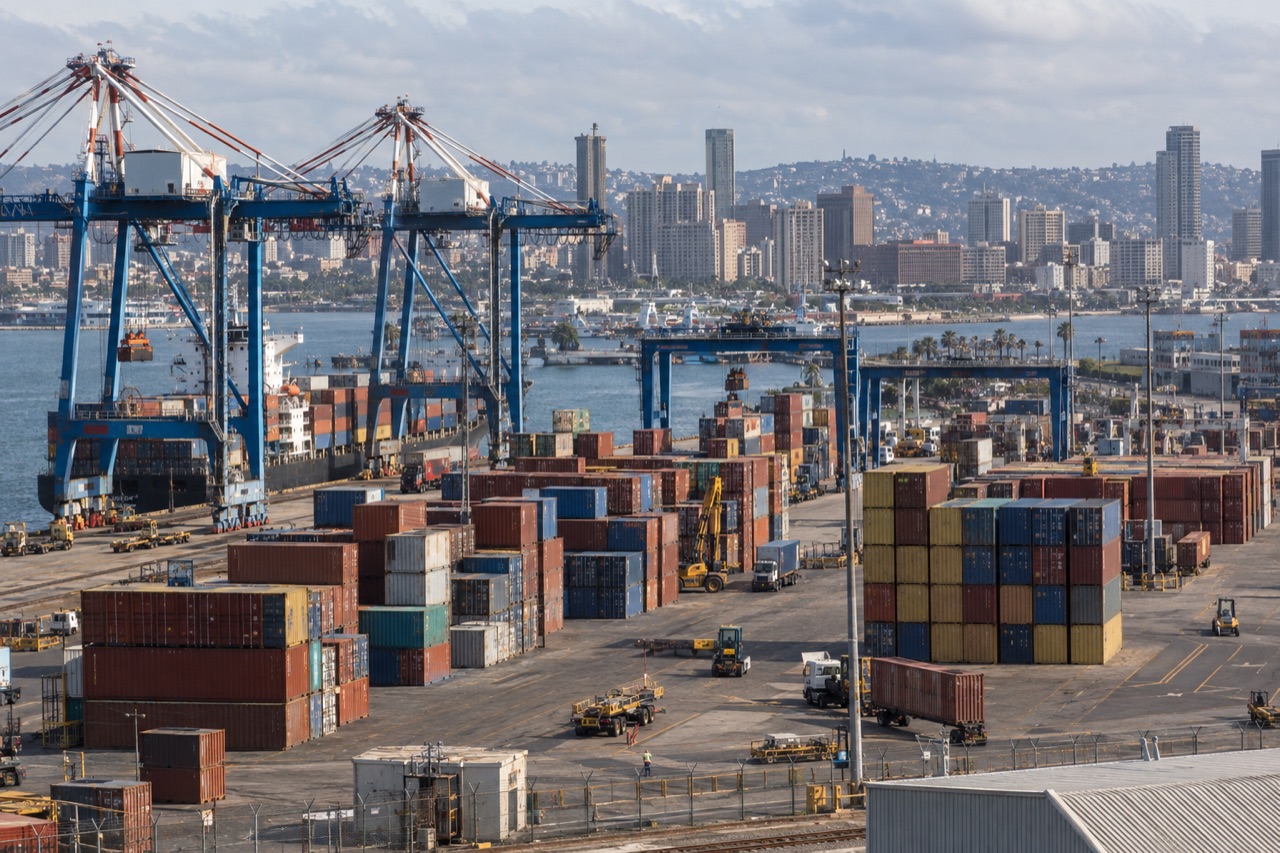
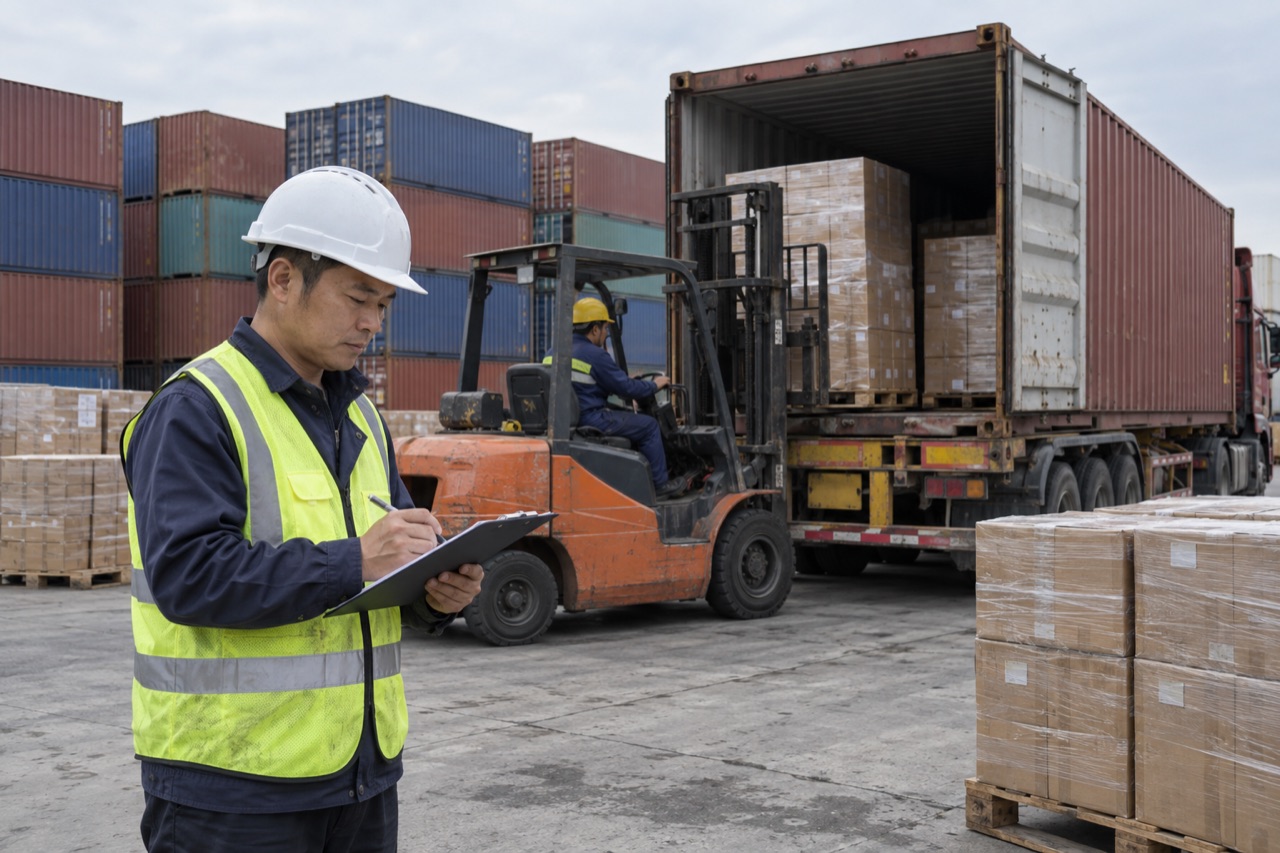
Illustrations generated for this page, showing the handling stages your cargo moves through. They are not photographs of a specific shipment.
What must be confirmed before booking?
- DDP is only quoted where a South African-registered importer of record with a customs client number is confirmed before shipment
- Durban advisories during 2026 reported delays of around 10 days with a risk of 20; storage and demurrage after the free days fall outside the quoted scope
- NRCS Letters of Authority and ITAC permits are product-specific and confirmed from the product details, not assumed
- Nansha-specific transit tables are not published; routing from Guangzhou is confirmed at booking
- Destination address type must be supplied before delivery can be confirmed
What mistakes should we avoid?
- Budgeting the port-to-port transit and forgetting Durban clearance and inland transport to Gauteng
- Assuming the ZAR 500 low-value relief still applies — it ended on 1 September 2024
- Leaving the NRCS Letter of Authority until arrival, when goods under compulsory specifications cannot clear without it
- Expecting the seller to file the import declaration — SARS requires a registered local importer